Top Tips for Launching a Successful Shopify Store
By Alison, Aki Media
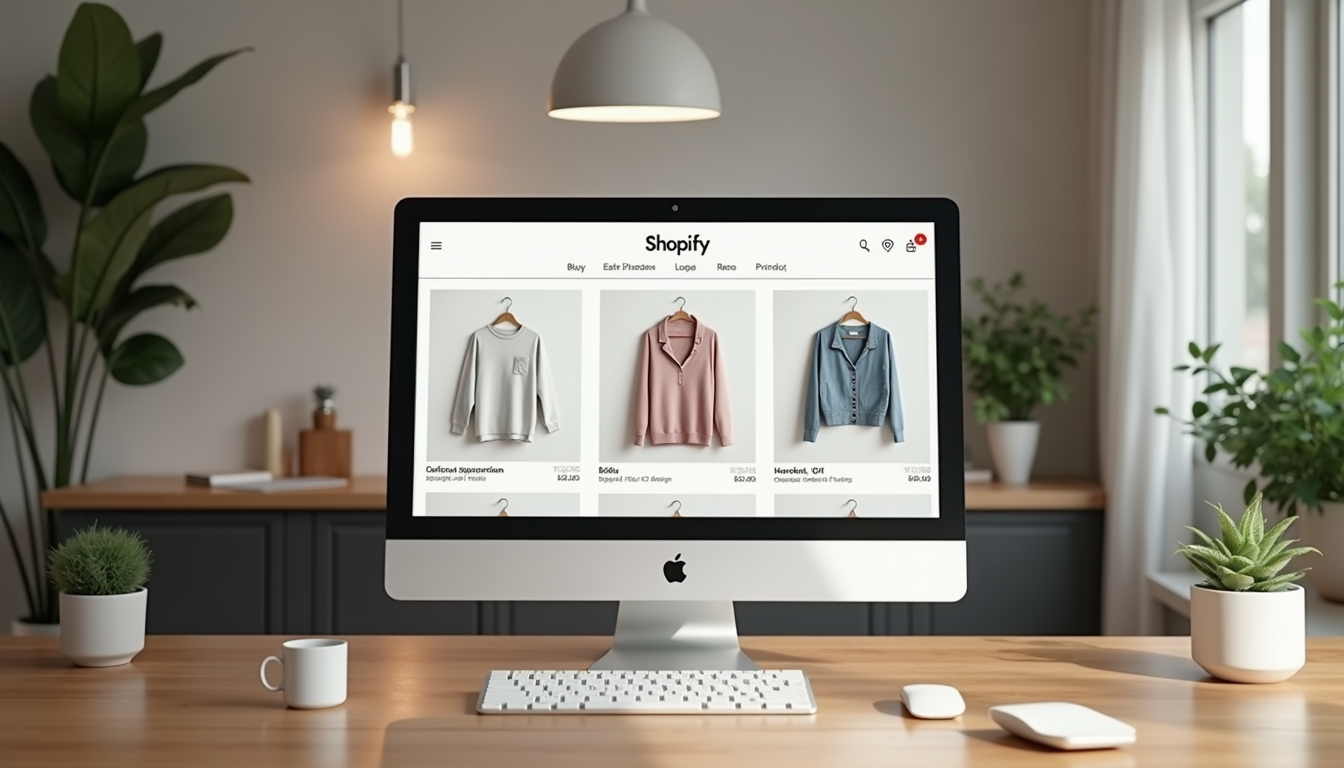
Launching a Shopify store can be an exciting yet daunting task. With the right strategies and tools, you can create a thriving online business that attracts customers and generates sales. In this blog post, we will explore essential tips to help you successfully launch your Shopify store, from choosing the right products to optimising your store for conversions.
Understand Your Market
Before diving into the technical aspects of setting up your store, it’s crucial to understand your target market. Researching your audience will help you tailor your products, marketing strategies, and overall store experience to meet their needs.
Identify Your Niche
Finding a niche is the first step in understanding your market. A niche allows you to focus on a specific audience and differentiate yourself from competitors. Consider the following when identifying your niche:
- Passion and Interest: Choose a niche that you are passionate about. This will keep you motivated and engaged.
- Market Demand: Use tools like Google Trends or keyword research to gauge interest in your niche.
- Competition Analysis: Analyse competitors in your niche. Identify their strengths and weaknesses to find opportunities for your store.
Create Customer Personas
Once you’ve identified your niche, create customer personas to better understand your audience. A customer persona is a semi-fictional representation of your ideal customer based on market research and real data. Include details such as:
- Age
- Gender
- Location
- Interests
- Pain points
These personas will guide your product selection, marketing strategies, and customer service approach.
Choose the Right Products
Selecting the right products is crucial for your Shopify store's success. Here are some tips to help you choose products that will resonate with your audience:
Conduct Product Research
Use various tools and platforms to research potential products. Some effective methods include:
- Online Marketplaces: Explore platforms like Amazon, eBay, and Etsy to identify trending products.
- Social Media: Check platforms like Instagram and Pinterest for popular items and trends.
- Customer Feedback: Engage with your audience through surveys or social media to understand their preferences.
Evaluate Profit Margins
When selecting products, consider the profit margins. Calculate the cost of goods sold (COGS) and ensure that your selling price allows for a reasonable profit. A good rule of thumb is to aim for a profit margin of at least 30%.
Test Products Before Launching
Before fully committing to a product line, consider testing a few items. This can be done through:
- Pre-orders: Allow customers to pre-order items to gauge interest.
- Limited Launches: Launch a small selection of products to see how they perform before expanding your inventory.
Design Your Store
A well-designed store can significantly impact user experience and conversions. Here are some design tips to consider:
Choose a Theme
Shopify offers a variety of themes to choose from. Select a theme that aligns with your brand and provides a user-friendly experience. Consider the following when choosing a theme:
- Mobile Responsiveness: Ensure the theme is mobile-friendly, as many customers shop on their phones.
- Customisation Options: Look for themes that allow for easy customisation to match your brand’s aesthetic.
- Loading Speed: Choose a theme that loads quickly to reduce bounce rates.
Optimise Navigation
A clear and intuitive navigation structure is essential for a positive user experience. Consider the following:
- Simple Menu Structure: Limit the number of menu items to avoid overwhelming visitors.
- Search Functionality: Include a search bar to help customers find products quickly.
- Breadcrumbs: Use breadcrumb navigation to help users understand their location within the site.
Use High-Quality Images
Visuals play a significant role in e-commerce. Use high-quality images that showcase your products effectively. Consider the following tips:
- Multiple Angles: Provide images from different angles to give customers a comprehensive view of the product.
- Lifestyle Images: Include lifestyle images that show the product in use, helping customers envision it in their lives.
Optimise for SEO
Search engine optimisation (SEO) is crucial for driving organic traffic to your Shopify store. Here are some SEO strategies to implement:
Keyword Research
Identify relevant keywords that your target audience is searching for. Use tools like Google Keyword Planner or Ahrefs to find keywords with high search volume and low competition.
Optimise Product Pages
Ensure that each product page is optimised for SEO. Include the following elements:
- Title Tags: Use descriptive and keyword-rich titles for your products.
- Meta Descriptions: Write compelling meta descriptions that encourage clicks.
- Alt Text for Images: Use descriptive alt text for images to improve visibility in search results.
Create Valuable Content
Consider starting a blog on your Shopify store to provide valuable content related to your niche. This can help attract organic traffic and establish your brand as an authority in your industry.
Implement Effective Marketing Strategies
Once your store is set up, it’s time to implement marketing strategies to attract customers. Here are some effective methods:
Email Marketing
Build an email list to keep your customers informed about new products, promotions, and updates. Consider offering a discount for first-time subscribers to encourage sign-ups.
Social Media Marketing
Utilize social media platforms to promote your products and engage with your audience. Share high-quality images, customer testimonials, and behind-the-scenes content to build a connection with your followers.
Influencer Collaborations
Partnering with influencers in your niche can help you reach a wider audience. Look for influencers who align with your brand values and have an engaged following.
Monitor and Analyse Performance
After launching your store, it’s essential to monitor its performance regularly. Use analytics tools to track key metrics such as:
- Traffic Sources: Understand where your visitors are coming from to optimise your marketing efforts.
- Conversion Rates: Analyse conversion rates to identify areas for improvement.
- Customer Behaviour: Use heatmaps and user recordings to understand how customers interact with your store.
Make Data-Driven Decisions
Use the data collected to make informed decisions about your store. For example, if you notice a high bounce rate on a specific product page, consider optimising the content or images to improve engagement.
Provide Excellent Customer Service
Customer service can make or break your online store. Here are some tips to ensure a positive customer experience:
Offer Multiple Support Channels
Provide various support channels, such as live chat, email, and phone support, to cater to different customer preferences.
Respond Promptly
Aim to respond to customer inquiries as quickly as possible. A prompt response can enhance customer satisfaction and build trust.
Gather Feedback
Encourage customers to leave feedback and reviews. Use this information to improve your products and services continually.
Conclusion
Launching a successful Shopify store requires careful planning, research, and execution. By understanding your market, choosing the right products, designing an appealing store, optimising for SEO, implementing effective marketing strategies, monitoring performance, and providing excellent customer service, you can create a thriving online business.
Take the first step today by applying these tips and watch your Shopify store flourish!
Frequently asked questions
How do I choose a niche for my Shopify store?
Choose a niche you are passionate about, check market demand with tools like Google Trends or keyword research, and analyse competitors to find opportunities.
What profit margin should a Shopify store aim for?
A good rule of thumb is to aim for a profit margin of at least 30%, after calculating the cost of goods sold.
How do I optimise a Shopify store for SEO?
Research the keywords your audience searches for, use descriptive title tags, meta descriptions and image alt text on product pages, and publish valuable content on a blog.